
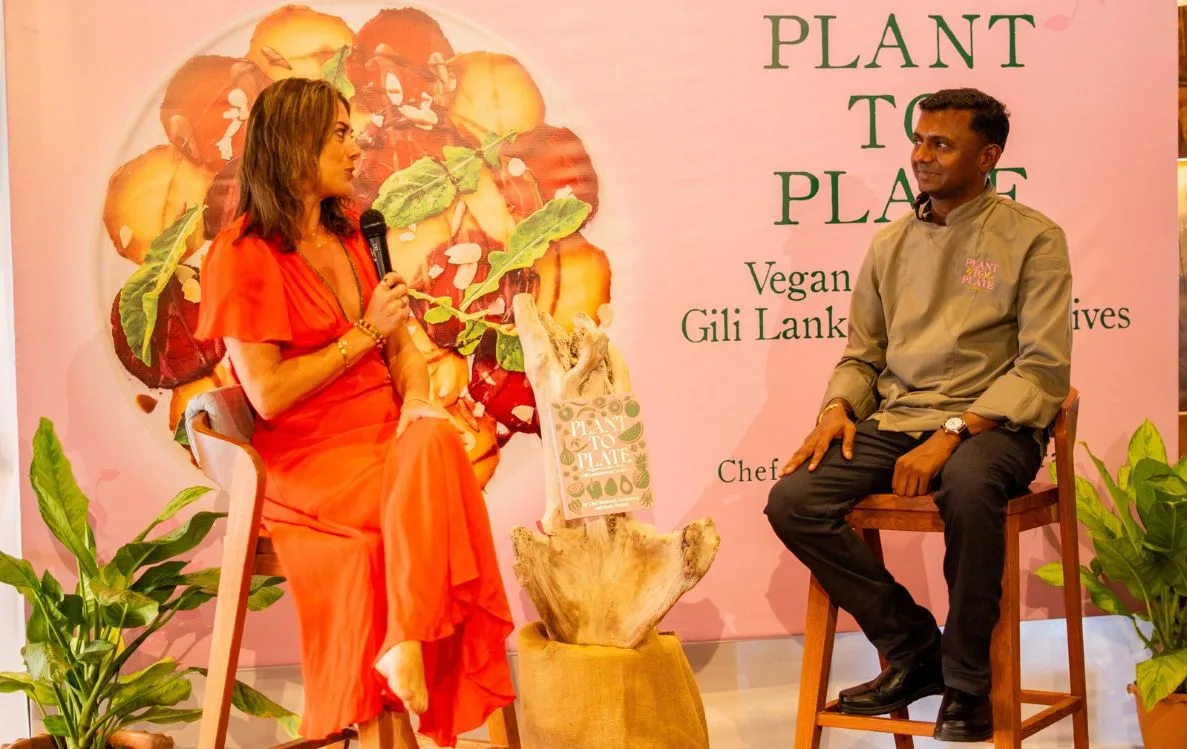
For Gili Lankanfushi Maldives Executive Chef Harinath Govindaraj, cooking has always been about more than preparing food. Each ingredient, recipe and dish carries a story, shaped by memories, experiences and the people who have influenced his journey. This philosophy is at the heart of Plant to Plate: Vegan Recipes from Gili Lankanfushi Maldives, his debut cookbook released in October 2026, marking 20 years of his culinary journey at the island.
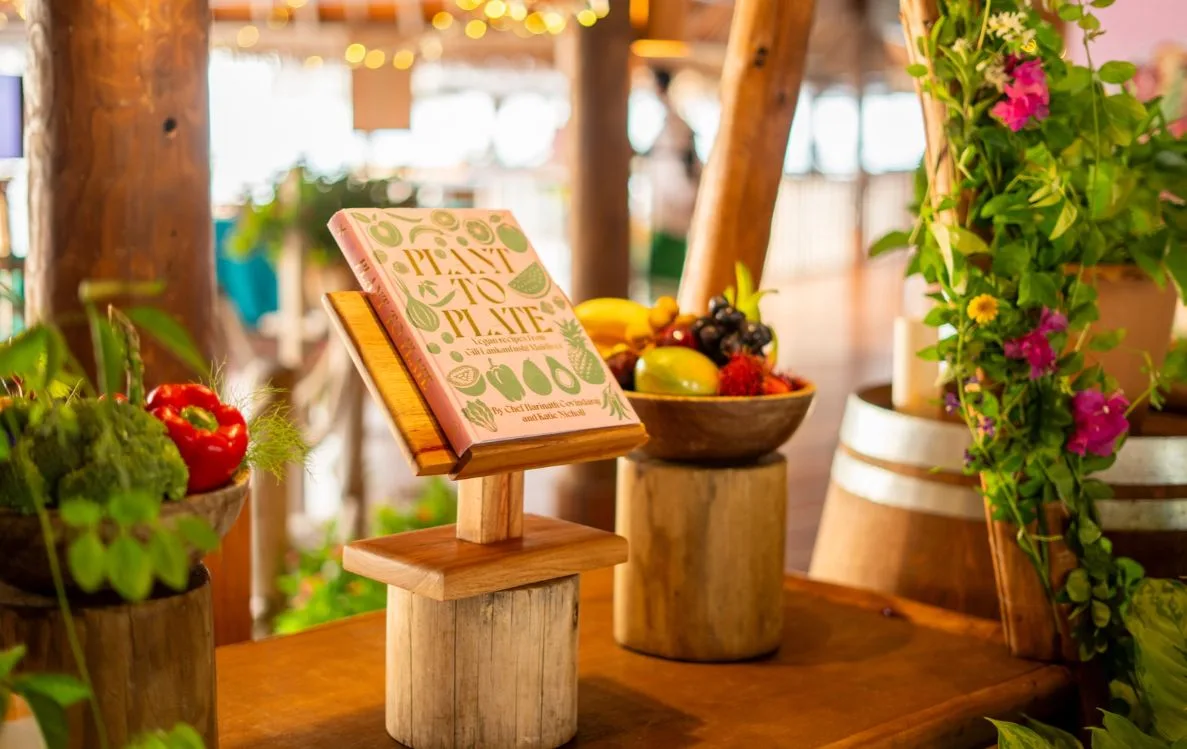
Published by St James’s House, the book brings together more than 60 plant-based recipes, accompanied by stories that reveal the inspiration behind each creation. From family recipes rooted in his South Indian upbringing to contemporary dishes developed through years of experimentation, the collection offers an insight into the experiences that have shaped Chef Hari’s approach to food.
His journey into the culinary profession, however, was not something he initially planned. Born in a small town in southern India, Chef Hari was encouraged by his mother to enrol in a culinary course, hoping it would open doors beyond his hometown. Growing up in Trichy, Tamil Nadu, he spent much of his childhood helping his family, from assisting with daily responsibilities to supporting their small street-food business, where he first learned the basics of cooking.
Although his ambition was to attend university, financial circumstances led him down a different path. With the encouragement and sacrifices of his family, he embarked on a culinary education that initially felt unfamiliar, but gradually sparked a passion that would shape his future.
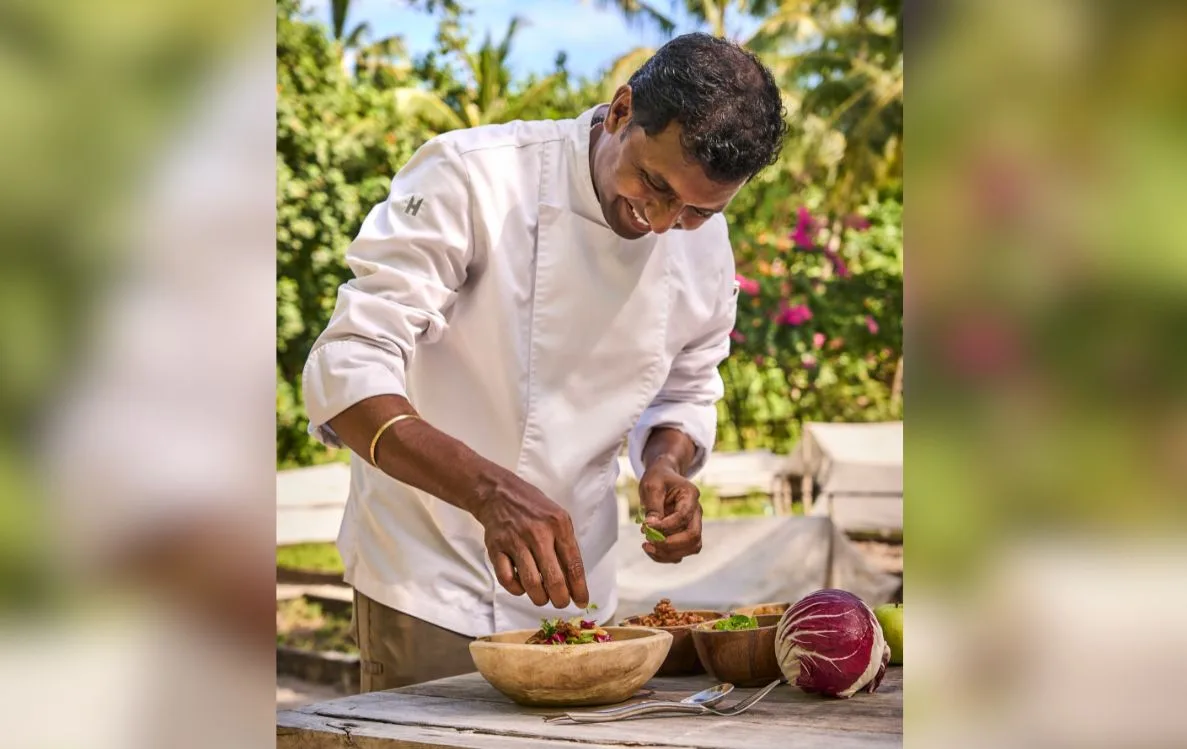
What began as a decision driven by necessity evolved into a lifelong journey of learning, perseverance and growth. His move to the Maldives marked a significant turning point, taking him far from everything he knew and eventually leading him to Gili Lankanfushi, where he has refined his craft, nurtured young culinary talent, and created memorable dining experiences inspired by both tradition and innovation. Today, Chef Hari’s story stands as a testament to resilience, dedication, and the transformative power of opportunity.
Over the years, his approach to cooking has been shaped by his Indian heritage, his experiences in the Maldives and his relationship with ingredients. Family memories remain an important influence, with recipes inspired by his mother and grandmother finding their place in Plant to Plate. These are accompanied by personal stories that explain not only how a dish came together but also the memories and experiences behind it.
For Chef Hari, this connection between food and storytelling is central to the cookbook. During the launch, he described cooking as a form of communication, explaining that every recipe has a story worth sharing. The book reflects his desire to pass on the knowledge he has developed throughout his career, making his recipes and techniques accessible beyond the professional kitchen.
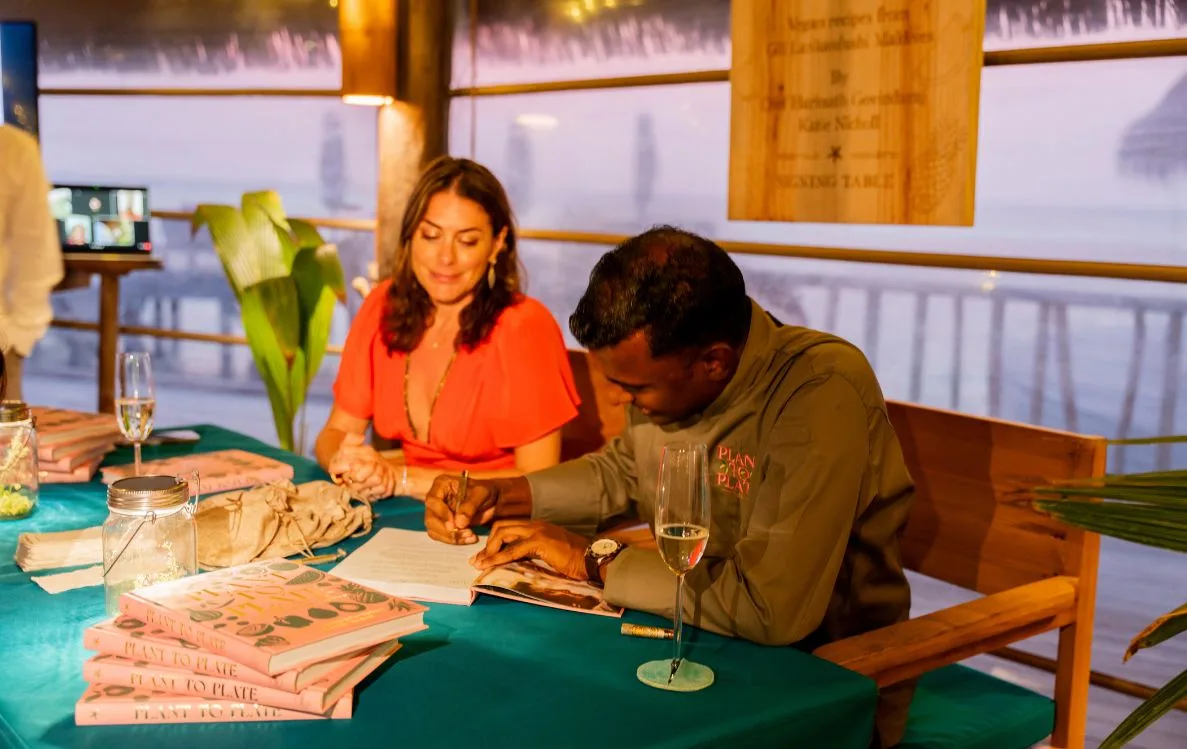
That intention also influenced how the recipes were developed. While Chef Hari can prepare many dishes from memory, translating them into written recipes proved to be one of the more demanding parts of the project. Alongside his responsibilities at the resort, he spent many late nights documenting recipes and the stories behind them, often working from late night until the early hours of the morning.
One of the key considerations during the development of the cookbook was ensuring that readers around the world could recreate the dishes in their own kitchens. While many recipes celebrate ingredients deeply rooted in Asian cuisine, such as fresh curry leaves, the collection was carefully refined with an international audience in mind, balancing authenticity with accessibility and encouraging the use of locally available produce where possible.
The creative process behind the dishes, however, remains something Chef Hari approaches with spontaneity. He describes finding inspiration through his interaction with ingredients, often allowing what is available in the kitchen to guide the direction of a new creation. Rather than always beginning with a fixed recipe, he experiments with combinations, textures and flavours until a dish takes shape.
One example involved a returning guest who challenged Chef Hari to create something entirely new. With little time to plan, he turned to the ingredients available to him and began experimenting in the kitchen, ultimately developing his now-signature Maldivian Spiced Tuna Tartare with Watermelon, Avocado and Wasabi Cream. For Chef Hari, these moments of creativity and discovery are among the most rewarding aspects of being a chef. He often describes the process as listening to ingredients, comparing his relationship with them to how photographers connect with their images or how fishermen instinctively understand the rhythm of the sea.

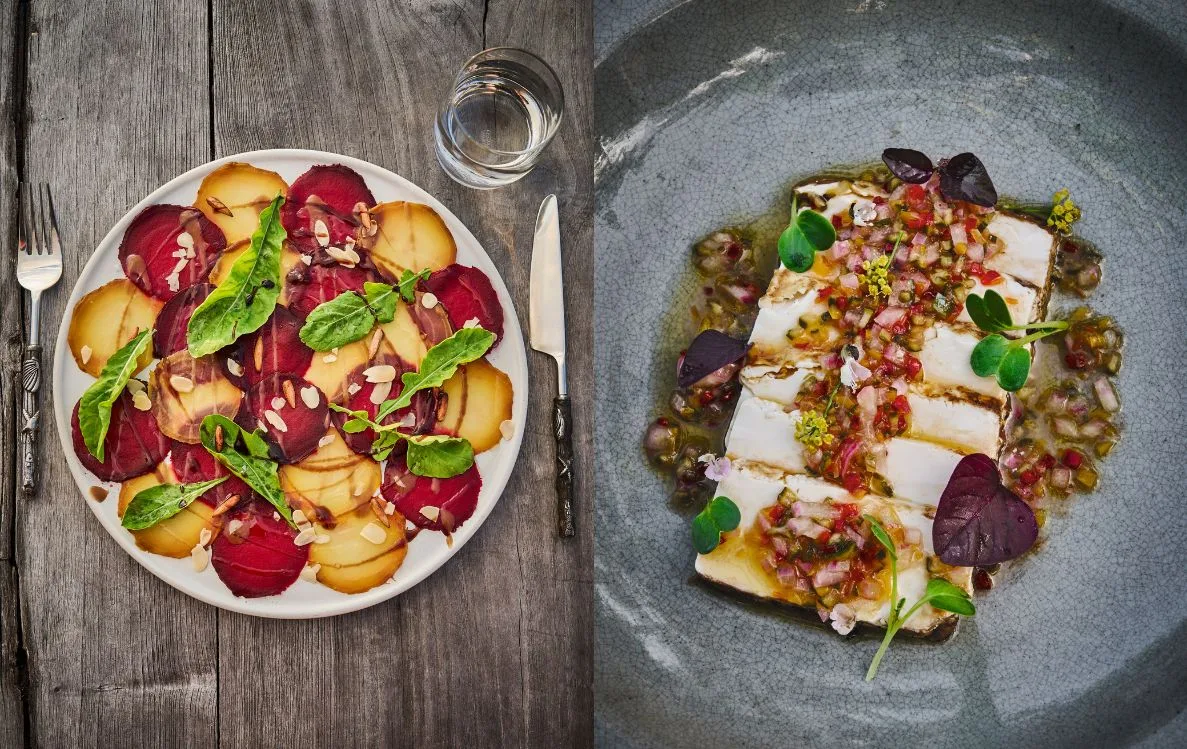
His creativity also extends to rethinking how vegetables can be used in contemporary cuisine. Across Plant to Plate, familiar ingredients take on different forms, including radishes prepared as scallops, tofu developed into flavourful steaks and root vegetables transformed into ceviche. Other recipes include Rainbow Root Ceviche, Gili Garden Green Gazpacho, Teriyaki Tofu Steak with Coriander Sticky Rice, Roasted Green Cauliflower with Zesty Couscous and Caramel Pistachio Silk Cheesecake.
The collection is not intended exclusively for vegan diners. Instead, it encourages a broader appreciation of plant-based cooking through fresh, seasonal ingredients and alternative ways of preparing familiar dishes. This philosophy is also reflected in Chef Hari’s work at Gili Lankanfushi, where he oversees the island’s organic herb garden, nurturing a variety of fresh herbs that inspire and enhance dishes across the resort’s culinary offerings.
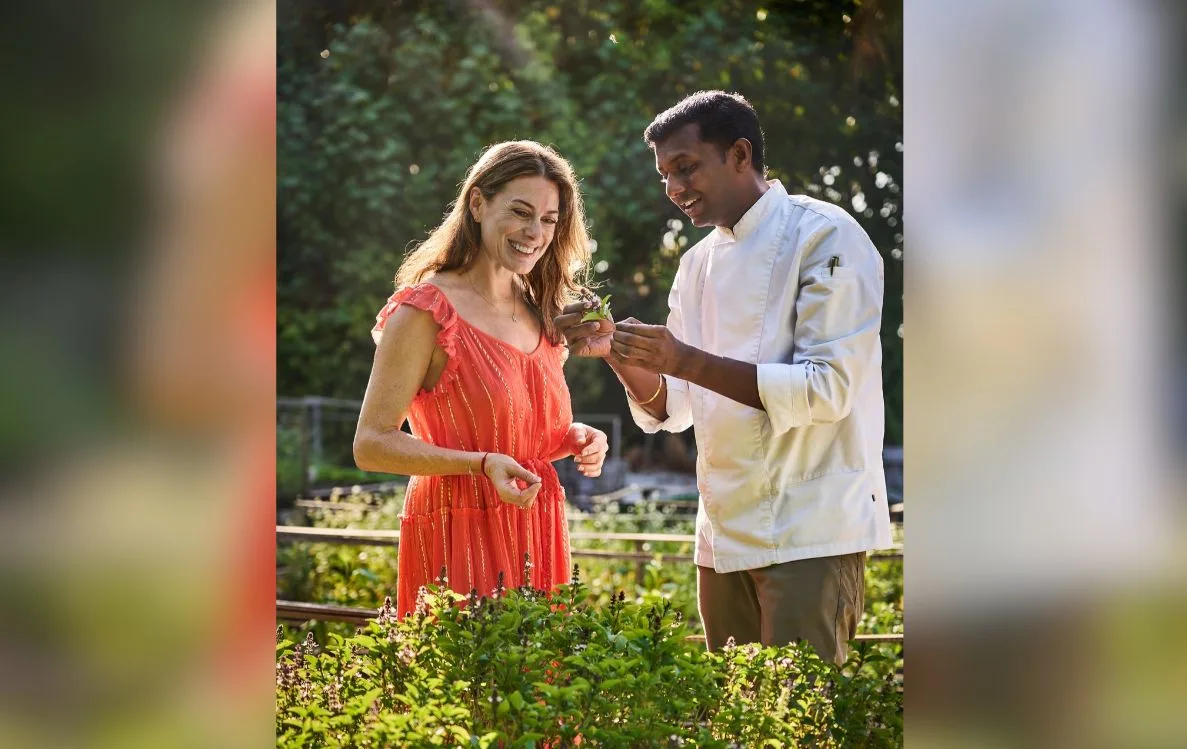
His cooking also draws on Indian culinary traditions without being confined to conventional preparations. Chef Hari sees considerable potential in Indian spices and ingredients and incorporates them into dishes influenced by other cuisines. One example is a risotto known as “Valhomas Risotto” that combines Italian techniques with Maldivian flavours, including smoked tuna and curry leaves. This approach has also found an audience beyond the guests. During Ramadan, the resort welcomed women from a neighbouring island to experience his cooking, with several expressing interest in having him prepare similar dishes in their community.
The cookbook itself developed through a collaboration involving international broadcaster and author Katie Nicholl, who contributed to the publication. Her interest in Chef Hari’s cooking grew from her experiences at Gili Lankanfushi, where she was introduced to his approach to plant-based cuisine. The project eventually progressed with St James’s House, bringing together Chef Hari’s recipes, personal stories and the experiences that have influenced his culinary journey.
Photography by Mel Yates accompanies the collection, combining images of the finished dishes with scenes of island life. The result brings together the culinary and personal elements of Chef Hari’s work, offering readers an insight into the food and environment that have shaped his culinary journey at Gili Lankanfushi.
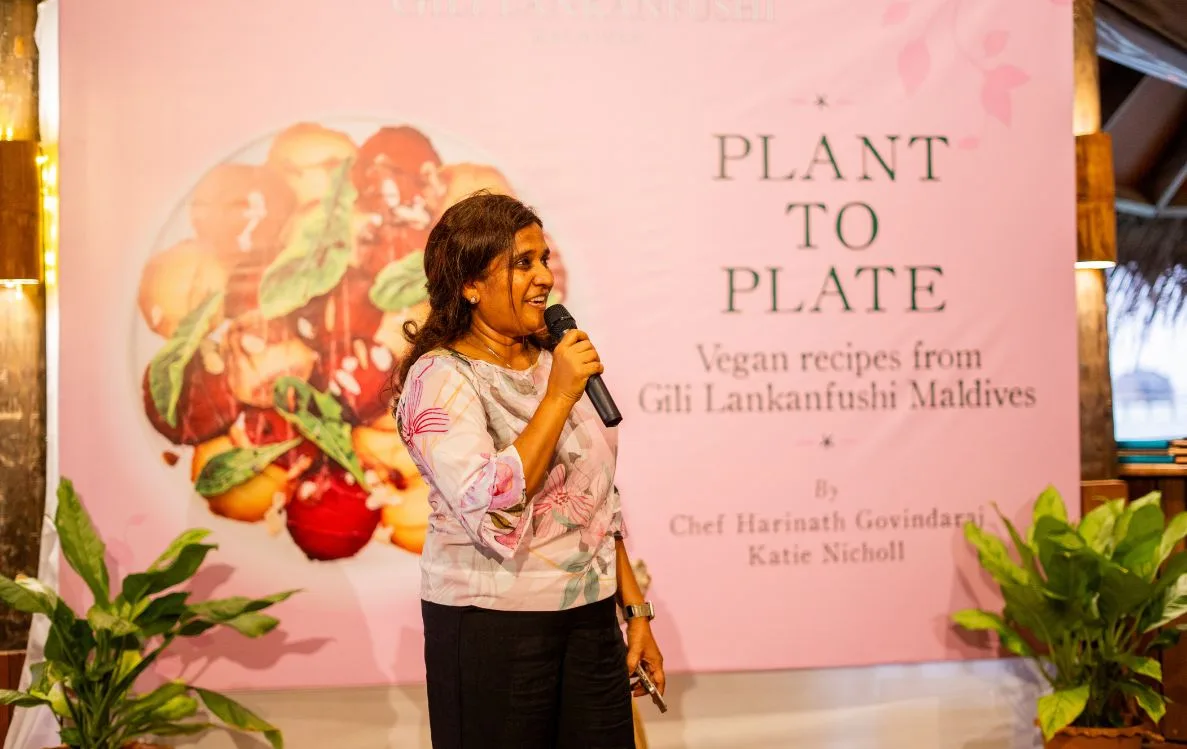
For Chef Hari, Plant to Plate represents an opportunity to share a part of himself with readers. Through recipes influenced by family, memories, experimentation and the natural ingredients around him, the book extends his approach to cooking beyond the island. It is a collection that invites readers to explore plant-based cuisine while discovering the stories behind the dishes.
Plant to Plate: Vegan Recipes from Gili Lankanfushi Maldives is available for USD 100++ through the resort’s website and on the island, with 25 per cent of profits going towards the Cancer Society of Maldives (CSM).
The photos featured in this article are courtesy of Gili Lankanfushi Maldives, with food images by Mel Yates.